8 Mythical Creatures – And Where in the World to Find Them
Popular fiction is littered with all manner of strange, mythical beasts, from Harry Potter's creatures to Magical Beasts and Where to Find Them.
But in this article we'll look at some legendary creatures that are a little older - and where in the world you might encounter them!
The Loch Ness Monster
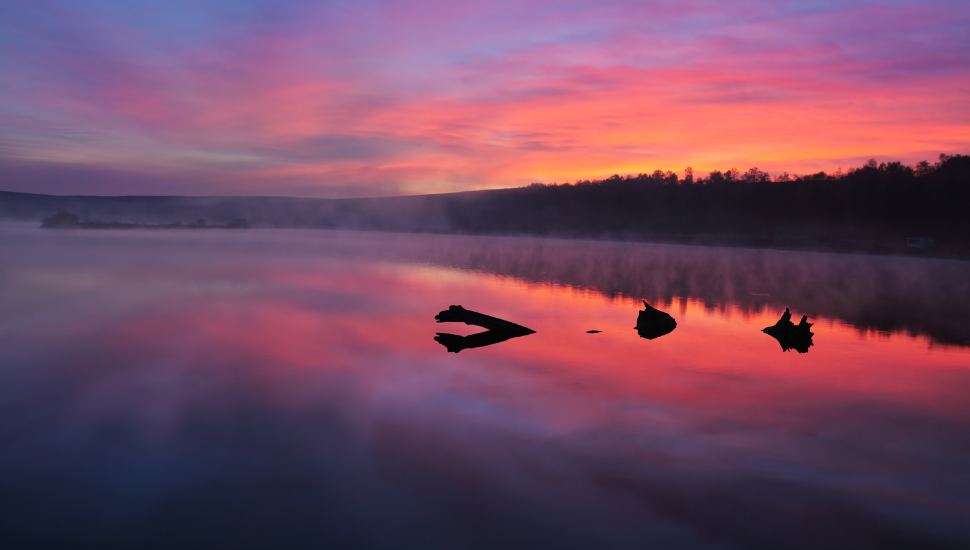
The picturesque waters of Loch Ness in Scotland hide a dark secret - or at least some think it does.
Its cold, dark waters go down some 745 feet - the second deepest loch in the UK after nearby Loch Morar.
This somewhat inhospitable environment, hemmed in by ancient mountains that yield few nutrients, is only suitable for a few creatures - one of them being reptiles.
However, multiple attempts at finding the Loch Ness Monster have failed to provide any hard evidence of its existence.
Loch Ness expert Adrian Shine, who spent much of his life researching 'Nessie' has concluded that the sighting of humps were caused by the wakes of nearby boats, and that the famous 1934 photo taken by Robert Kennerth Wilcon - "the surgeon's photograph" could have been an optical illusion produced by a duck on the water.
Others say the photo was an elaborate hoax, created by a toy submersible with a wood putty neck and head.
Many other photos, purportedly of the Loch Ness Monster, have been taken and published by newspapers, but most have been debunked as fakes or optical illusions.
Multiple efforts have been made to detect the creature - using sophisticated sonar equipment - but all have been inconclusive.
Nevertheless, the Loch Ness Monster remains one of the world’s most popular mythical creatures, and the loch continues to attract thousands of UK and international visitors each year.
Even the most doubtful of visitors secretly hope they will catch a glimpse of this legendary creature.
Count Dracula
The blood sucking Count Dracula has captured the imagination for more than a century, spawning a whole genre of books and films.
But was Count Dracula real? In short - not really.
The legend of Dracula was created by Bram Stoker in 1897, in his novel of the same name.
It follows the journey of an English solicitor called Jonathan Harker who is summoned by Dracula to Transylvania to help him sell his castle before moving to London.
Dracula intends to drain Harker's lifeblood after learning as much as possible about England, then departs on the Demeter to Whitby, despatching the crew as he goes. He then goes on to menace Harker’s fiancee, Mina.
Harker survives his ordeal and comes to the count's castle, before heading back to England.
Meanwhile, Dutch doctor Abraham Van Helsing is enlisted by Mina to help. Eventually, after much blood sucking, the vampire flees and is traced back to Transylvania, resulting in a heart-pumping climax.
It is assumed Stoker's count is based on Vlad the Impaler, a brutal leader of 15th-century Wallachia. Despite this, he is something of a national hero in modern day Romania, formerly Wallachia.
Can I visit Dracula's castle?
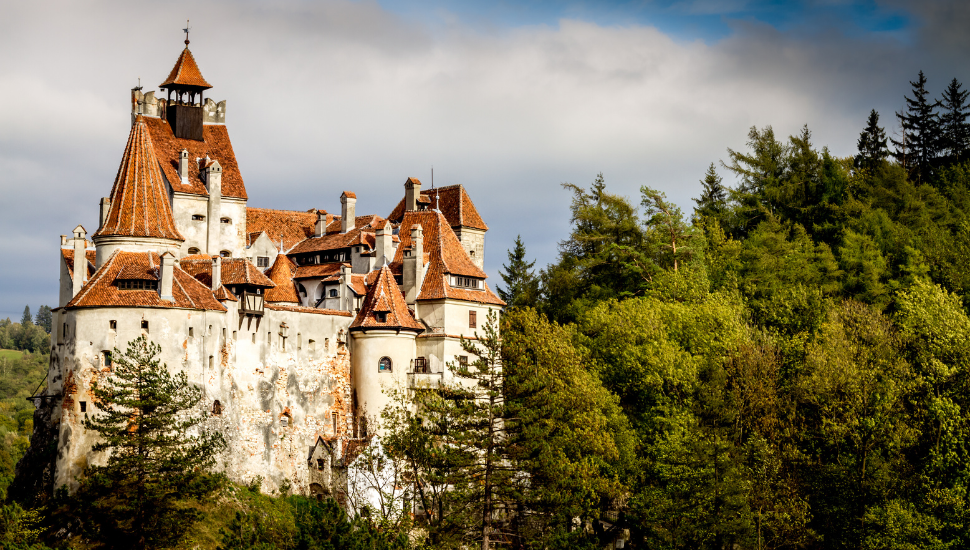
Bran Castle in Romania is marketed as the home of the blood-loving count.
But while it has the menacing appearance described in Stoker's novel, there is no evidence it was inhabited by anyone like Count Dracula.
Nevertheless, many vampire fans flock to the castle every year.
Frankenstein
In 1816 Mary Shelley attended a party hosted by Lord Byron, where the guest sat around the fireplace reading out German horror stories. It was then suggested each person should create their own supernatural tale.
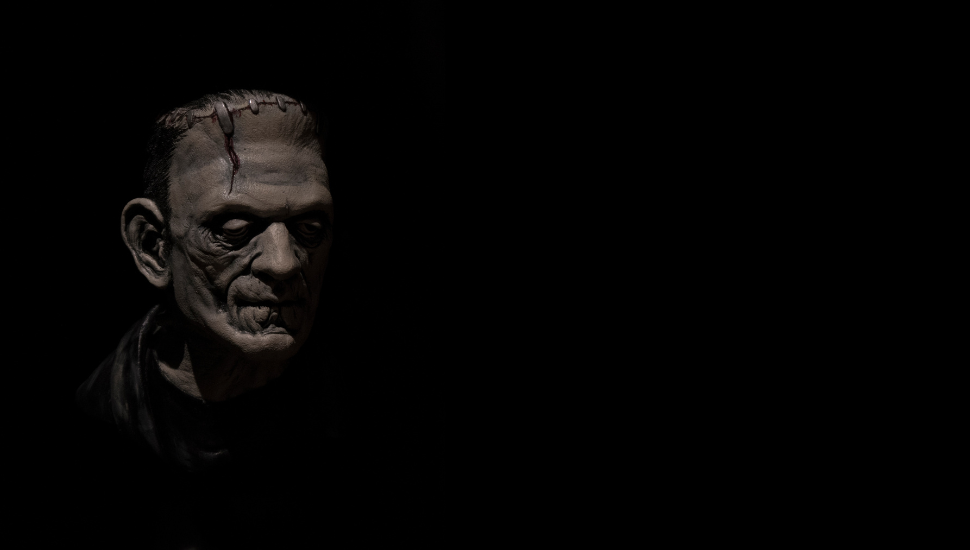
Shelley's effort went way beyond that of the others and in 1818, aged just 21, she published Frankenstein, following one Dr Frankenstein who took body parts from various corpses and sewed them together. He then breathed life into his creation.
The doctor then spends the rest of the book trying to destroy his monstrous creation.
The story spawned all manner of books and films, notably James Whale's Frankenstein (1931), which starred Boris Karloff as the eponymous monster.
Where was Frankenstein set?
The story unfolds in Switzerland, but key sequences take place in England, Germany, France and Scotland.
While scientists have attempted to transplant various parts of deceased humans into live ones, we're still a long way off from a real Frankenstein - something that Shelly's tale arguably warns against.
Mary Shelley fans can visit her house in Bath.
Marketed as Frankenstein’s House, visitors can play the Body in a Suitcase Game, venture into the Escape Room, and experience all manner of menacing audio-visual effects.
The website says it is “bursting with unusual artefacts and vintage items”, together with “assorted body parts”! Needless to say, children should be accompanied by a grown up.
Bigfoot
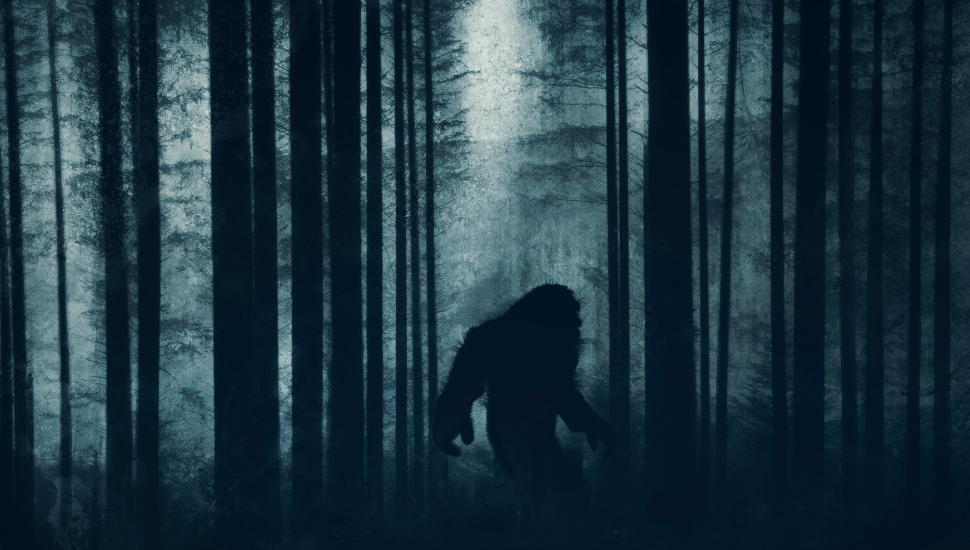
The legend of Bigfoot came about in America's Pacific Northwest, where indigenous tribes recounted tales of a large, hairy, ape-like creature (the Sasquatch) - that were passed down the generations.
The fable entered the lore of European colonists, but it wasn’t until 1958 that the story really took off.
A set of large footprints were "discovered" in Bluff Creek, Northern California. The story was picked up by the press, intriguing the American public.
The legend got a new lease of life in 1967 with release of the Patterson-Gimlin film - a short 16mm home movie which appears to show a large ape glancing at the camera.
However, many believe this was simply a man dressed as a gorilla.
Despite this, the legend of Bigfoot persists to this day, with some arguing that many beasts formerly thought to be unreal do actually exist - such as the giant squid - so there’s hope!
Where can I hunt for Bigfoot?
Whatever you think about Bigfoot, northern California and the Pacific Northwest are fantastic places to visit, boasting hundreds of square miles of forest and some of the largest trees in the world.
With much of these dense forests untouched by humans, it’s little wonder hikers are never quite sure what’s behind the next treeline!
Hardcore fans of this legendary creature can visit Bigfoot Fun Park in Missouri, where rides, mini golf and arcade games can be enjoyed - demonstrating that many US states have tried to cash in on this hirsute, oversized ape!
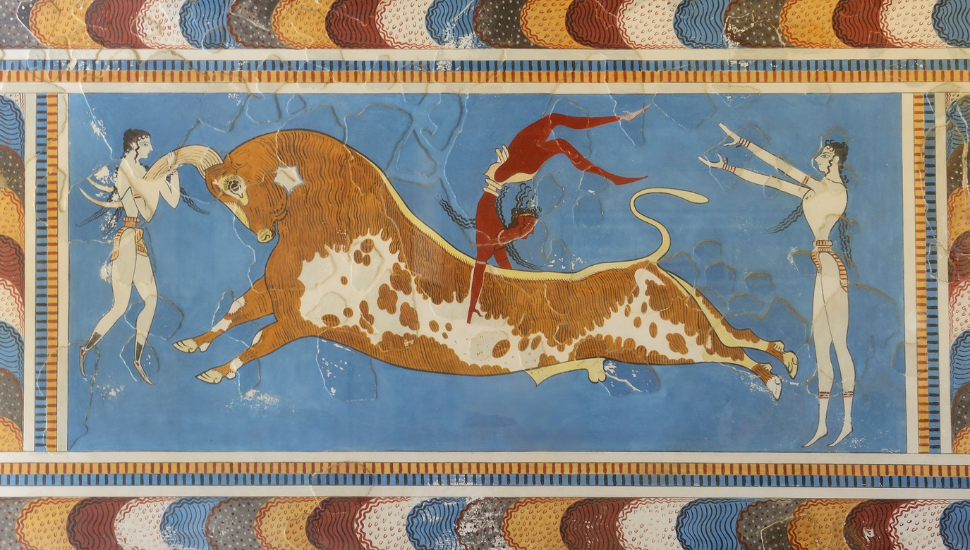
Minotaur
The famous Greek legend of the Minotaur begins with Minus, who was in a fierce competition with his brothers over who should rule Crete.
Minus prayed to the god Poseidon to send him a snow-white bull as a sign of support. Poseidon does so, on the proviso that Minus sacrifices the bull in the name of the god.
But Minus had grown attached to the bull so sacrificed another bull instead.
When Posiedon discovered this, he made Minos' wife Pasiphaë fall in love with the beast. Besotted, Pasiphaë had a hollow wooden cow made, which she climbed inside so that the bull could mate with her. The resulting offspring was half man, half bull.
The progeny grew into a monstrous beast, and Minus asked the Oracle at Delphi for advice. She told him to build a labyrinth beneath his palace to hold him.
Later, Minus' only heir is killed in the Athenian Games under dubious circumstances. By way of an apology, every year Athens then sent seven boys and seven girls to be sacrificed to the Minotaur.
To stop the sacrifices, King Aegeus' son Theseus volunteered to go to Crete and slay the beast.
He was successful, but on his return home he forgot to change his sails to white ones, which would signal to his father that he was triumphant.
Thinking his son was dead, King Aegeus threw himself in the sea - rounding up a rather upsetting series of events!
Can I visit the Minotaur's labyrinth today?
The Cretian Palace of Knossos is said to be the location of the Minotaur's labyrinth.
Whether or not you believe in the Minotaur, Knossos is one of the great ruins of the Mediterranean, where humans have been present since 7000 BC.
Aside from Knossos, there are fabulous beaches and gorges to explore on the island too.
Credit: diegograndi - stock.adobe.com
Mermaids
These half-woman, half-fish beings appear in maritime legends around the globe and remain popular mythical creatures.
The first mermaid was described in the Greek legend of Atargatis, the ancient goddess of the sea.
Atargatis was a powerful priestess who fell in love with a mortal man.
Sadly for them both, mating took its toll on the man, who died from the effort.
Before he popped off a child was conceived, but Atargatis was so distraught from the loss of her lover that she tried to drown herself in the sea shortly after giving birth.
However, the gods took pity on her and transformed her into a mermaid.
Today, she’s considered the goddess of fertility, protection and wellbeing.
Then came Es, the Mesopatamian god of water, wisdom, mafic and creation. Ea was a merman who saved humanity from a flood sent by the god Enlil.
Merfolk also appear in Japanese culture, namely the Ningyo, a fish with a human face and monkey's mouth.
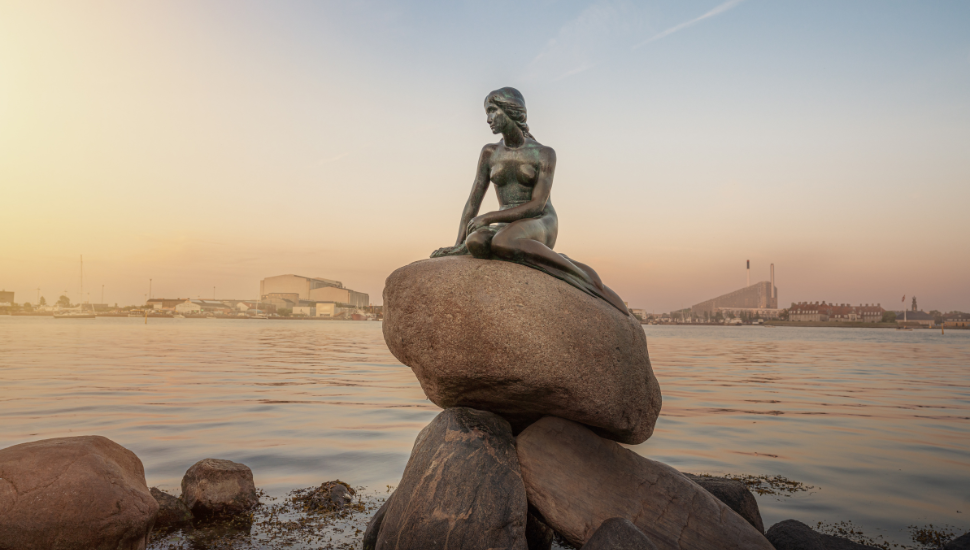
In more recent times, the mermaid appeared in Hand Christian Andersen's tale, The Little Mermaid.
Where can I see a mermaid?
While mermaid-hunting is a good excuse for a beach holiday, the only way of getting close to this mythical creature is by visiting the Little Mermaid Undersea Adventure at California's Disneyland!
Alternatively, you can arrange a visit to see the bronze statue of The Little Mermaid displayed on a rock by the waterside at the Langelinie promenade in Copenhagen, Denmark.
https://stock.adobe.com/images/astonished-surprised-excited-leprechaun-in-green-suit-with-red-beard-on-green-background-funny-portrait-of-man-ready-to-party-saint-patrick-day-human-emotions-celebration-traditional-holidays/325678993
Leprechauns
With his green top hat, oversize belt buckle and cheery demeanour, the leprechaun has become synonymous with Irish folklore and Ireland in general.
The character rose to prominence in 1800s America when Irish culture was disseminated among colonists.
However, the leprechaun has far older roots, often depicted as a solitary prankster who made a living mending or making shoes.
While mischievous, the leprechaun is not in the same league as faeries or pooka, who were far more dangerous - sometimes lethal - creatures.
If a leprechaun liked a family he might help them out by guiding them to their fortune - which is where the pot-of-gold-at-the-end-of-the-rainbow comes from.
In one 9th century legend, a king awakes being dragged into the sea by several of these diminutive figures. The king catches them in his hand before they can drag him in, and they beg for their lives.
In exchange for their survival, Fergus demands three wishes from the Leprechauns.
He wishes for the ability to swim deep in the sea, and joins the Leprechauns on their island.
The Leprechauns tell him not to dive into a particular lake - advice he eventually ignores and ends up meeting a terrible monster, resulting in his mouth shifting to the side of his face!
Where can I see a leprechaun?
Your best bet is to head to the Irish countryside and do some exploring.
However, aside from having a wonderful time in this history-steeped country, you're unlikely to encounter one of these small green-clad fellas, no matter how much of the Black Stuff you imbibe!
Credit: SASITHORN - stock.adobe.com
Hobbits
Hobbits, another diminutive race, were created by JRR Tolkien, first appearing in the 1937 novel The Hobbit.
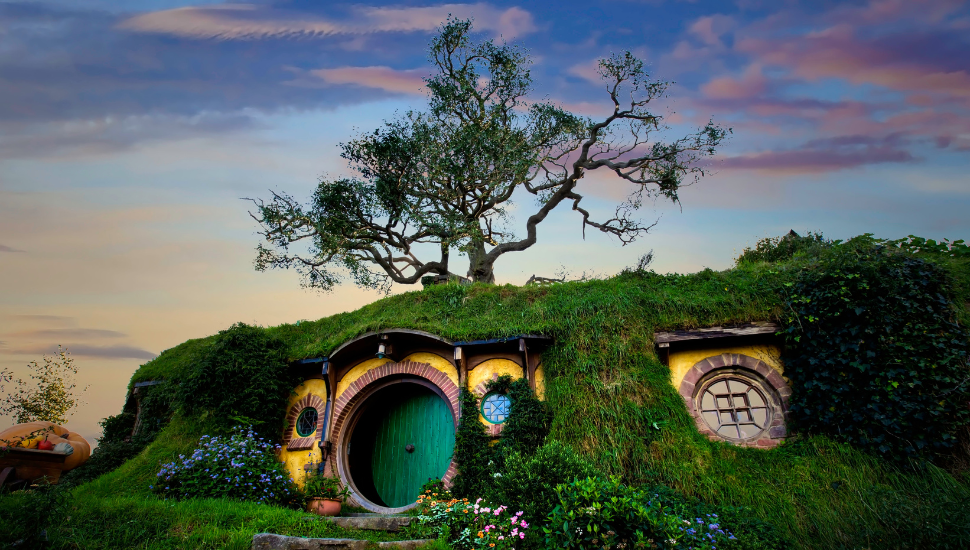
Said to be a combination of dwarves and elves, hobbits dwell in underground holes among the rolling green hills of The Shire.
The Hobbits go on to help Bilbo Baggins in saving the world from evil in The Lord of the Rings trilogy, written from 1954 onwards.
Tolkien's trilogy is ranked in the top 100 best selling books of all time.
Where can I see a hobbit?
Aside from absorbing yourself in the classic myth, you can get close to the world of hobbits by hopping over to New Zealand and visiting the Hobbiton Movie Set Tour.
Located in Matamata on the North Island, Hobbiton attracts thousands of Tolkien fans each year.
Aside from Hobbit-spotting, New Zealand boasts many fabulous locations used in the Lord of the Rings films, including Mount Ruapehu, which doubled as Mount Doom on screen.
Other locations include Anduin River, where the first shot of Fellowship of the Ring was filmed, and Skippers Canyon, where Arwen defeats the Nazgûl by conjuring up a flood.
Get a Quote